



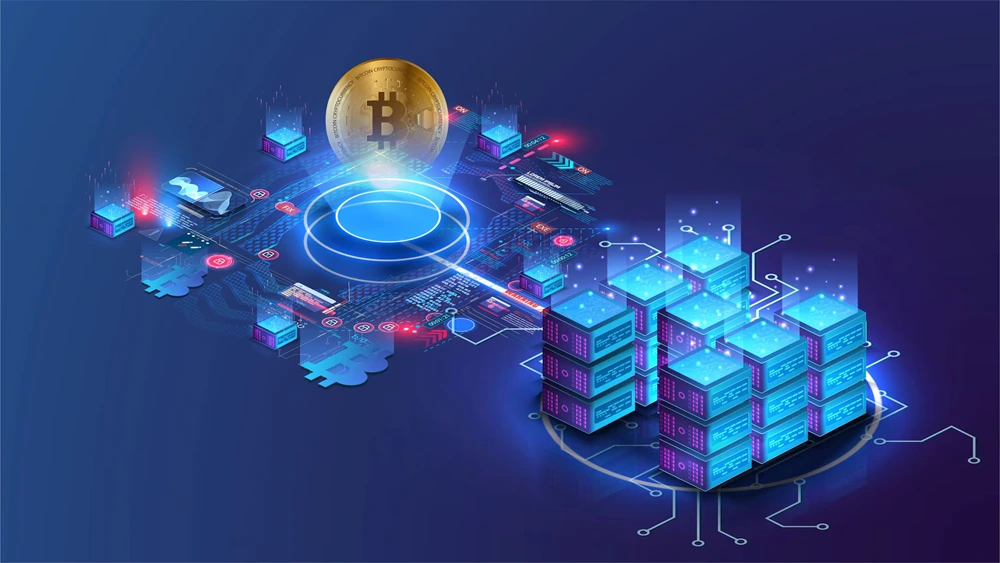
What exactly is blockchain?
Blockchain is a distributed, decentralized ledger technology that records transactions on multiple computers in a way that is secure, transparent, and immutable. In simpler words, the blockchain is an electronic notebook that everyone can view but nobody can secretly alter. Blockchain operates on a peer to peer network and thus tamper and fraud resistant.
In web development, blockchain is increasingly being used to enhance security, enable decentralized, and improve trust in digital transactions
Key Benefits Of Blockchain In Web Development
1. Enhanced Security
- Blockchain utilizes encryption (SHA-256, ECDSA) to secure data.
- Decentralized storage reduces points of failure (no hacking of a central server).
- Disables DDoS attacks by dispersing data into nodes.
2. Decentralized Application(dApps)
- dApps run on blockchain networks (Ethereum, Solana, Polkadot) instead of centralized servers.
- Examples: DeFi apps (Uniswap), NFT marketplaces (OpenSea), and decentralized social networking (Mastodon).
3. Smart Constraints For Automation
- Self-executing code (Solidity, Rust) that runs when certain conditions are met.
- Used in supply chain tracking, voting systems, and automatic payments
4. Improved Data Integrity
- permanent records prevent forgery in areas like healthcare, finance, and documentation.
5. Micropayments And Cryptocurrency Transactions
- Enables seamless cross-border payments using cryptocurrencies (Bitcoin, Ethereum).
- Best suited for pay-per-use services, content monetization, and tipping systems.
6. Digital Identity And Authentication
- Blockchain-based SSO (Single Sign-On) reduces password vulnerabilities.
- Self-sovereign identity (SSI) enables users to be in control of their personal data.
Disadvantages Of Blockchain In Web Development
Despite its many benefits, blockchain in web developments also has few drawbacks and challenges
1. Scalability Issues
- Blockchains like bitcoin and ethereum face slow transaction speeds
- Layer-2 solution (lightning network, polygon) helps the scalability issues but add complexity
2. High Development Costs
- Hiring blockchain developers is expensive
- Transaction costs on ethereum can be high
3. Regulatory Uncertainty
- Governments are still defining crypto and blockchain laws
- Compliance ( GDPR, KYC) can be complex
4. Energy Consumption
- Bitcoin mining consumes a lot of electricity
- Shift to proof of stake reduces energy use ( e.g. ethereum 2.0)
5. Complex Integration
- Requires changes in traditional database architecture
- Not all applications need blockchain
Where Is Blockchain Used In Web Development
1. Decentralized Finance(Defi)
Platforms like Aave, compound, and MakerDAO use blockchain for lending, borrowing, and trading without banks.
2. Nfts And Digital Ownership
Blockchain verifies authenticity of digital art, collectibles, and in game assets( e.g., OpenSea, NBA Top short)
3. Supply Chain Management
Walmart and IBM use blockchain to track food sources, reducing fraud
4. Web3 And Metaverse
Decentralized virtual worlds( decentralized, sandbox) rely on blockchain for asset ownership.
5. Secure Voting System
Blockchain prevents election fraud by ensuring transparent, immutable voting records.
6. Healthcare Data Management
Patient records stored on blockchain improve security and interoperability.
7. Social Media And Content Monetization
Platforms like steemit reward users with crypto for content creation.
How To Implement Blockchain In Web Development 2025
Step 1: Choose A Block Chain Platform
- Ethereum (smart contracts, dApps)
- Solana (high-speed, low cost transactions)
- Polygon (Ethereum scaling)
- Hyperledger fabric (enterprise solutions)
Step 2: Set Up Development Tools
- Smart Contracts: solidity (Ethereum), rust (solana)
- Frameworks: hardhat, truffle, remix IDE
- APIs: Web3.js, ethers.js, moralis
Step 3: Integrate Blockchain With Web Apps
- Frontend : react.js, Vue.js+Web3 wallet integration
- Backend: node.js + blockchain nides (infura, alchemy)
- Database: IPFS (decentralized storage) or hybrid Sql/blockchain models
Step 4: Deploy And Test
- Deploy smart contracts on testnets ( Goerli, Mumbai) before mainnet
- Use tools like tenderly for debugging
Step 5: Monitor And Maintain
- Track transactions with Etherscan, the graph
- Optimize gas fees ans scalability with layer-2 solutions.
Future Of Blockchain In Web Development
As we move forward in the digital era, blockchain is no longer just a buzzword, its becoming a core part in the web development industry. Heres a look at the emerging trends shaping the future of blockchain in web development.
- AI+Blockchain: Secure AI model training with decentralized data
- Zero-Knowledge PRoofs(ZKPs): Privacy-preserving transactions
- CBDCs(Central Bank Digital currencies) : government adopting blockchain for digital currencies
- Quantum-resistant blockchain: preparing for quantum computing threats.
Blockchain is flipping web development on its head , decentralizing applications, securing them, and making them transparent. Even though there are still technical bumps (like scaling, and legal concerns), but Layer-2 solutions, Proof of Stake chains, and Web3 tools are making it much easier to overcome those problems.
In 2025, blockchain isn’t a flex anymore , it’s necessary for DeFi, NFTs, digital IDs, and whatever comes next. Developers who become familiar with blockchain? They’re going to be the ones creating the next-generation internet.